Cessna 172RG Rear RH Baffle Assembly
Cessna 172RG Rear RH Baffle Assembly
Blog Article
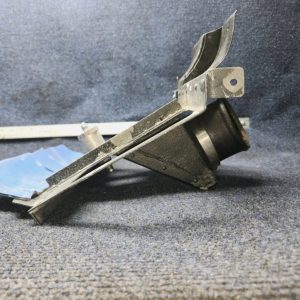
The Cessna 172RG Rear RH Baffle Assembly
Whether buyers search for a Cessna 172RG Rear Right-Hand Baffle, Cessna 172RG Engine Baffle, or Cessna 172RG Cooling Baffle, individual condition and aircraft compatibility should guide the purchase.
The Cessna Cutlass Engine Baffle and Aircraft Engine Baffle Assembly keywords help qualified buyers locate relevant replacement parts.
Whether buyers require a Cessna Engine Cooling Baffle, Aircraft Cooling Air Baffle, or Cessna 172RG Airflow Baffle, surrounding seals and attachment points should also be inspected.
Accurate use of Cessna 172RG Replacement Baffle terminology supports buyer discovery while preserving technical clarity.
Why Exact Baffle Part Numbers Matter
Every digit, dash, revision, or associated marking should be recorded because similar-looking baffles can differ read more in contour, holes, brackets, seals, and eligible applications.
Strong traceability improves the commercial and maintenance value of the Cessna 172RG Rear RH Baffle Assembly.
Purpose of the Rear RH Engine Baffle
The component should not be considered an isolated panel because its effectiveness depends on the condition of the complete baffle arrangement.
Engine condition, instrumentation, seals, cowling, operations, and surrounding baffles should be considered during troubleshooting.
Aircraft Model and Serial Applicability
Compatibility should be established through the exact aircraft model, serial number, engine installation, part number, baffle position, and applicable maintenance or parts information.
Mounting holes should not be enlarged or relocated casually to force alignment.
Engine Compartment Sheet-Metal Features
The exact material, thickness, temper, finish, and construction should be confirmed through applicable technical information when required.
Unauthorized bending, hammering, heating, grinding, drilling, or trimming can damage the assembly and affect its relationship with adjacent components.
Aircraft Cooling Component Inspection
A detailed inspection provides stronger evidence than a general good-condition description.
Unusual waviness or twisted geometry should be measured rather than dismissed as cosmetic.
Baffle Seal Condition and Air Leakage
The offered assembly should identify whether seal material, retainers, rivets, or mounting hardware are included.
Seal attachment holes and retaining strips should be inspected for corrosion, cracking, elongation, and previous modification.
Protecting Aircraft Cooling Components
The depth and area of corrosion should be evaluated using suitable maintenance procedures.
Responsible corrosion prevention supports long-term component value.
Cessna Engine Baffle Mounting Condition
Loose fasteners in the previous installation may have allowed movement that damaged both the baffle and nearby components.
Forced alignment can preload thin sheet metal and contribute to recurring cracks.
Cessna 172RG Engine Compartment Parts
Organized inventory management supports a more efficient Cessna Cutlass maintenance project.
Damage can vary across components exposed to the same vibration, heat, accident, or storage environment.
Engine Cooling Troubleshooting
Unexpected engine temperatures should be investigated through a structured review of instrumentation, engine condition, airflow, baffles, seals, cowling, operation, and environmental factors.
Cleaning or replacing one baffle should not be presented as a guaranteed cooling improvement.
Rear RH Baffle Replacement Versus Repair
The decision to repair or replace a damaged baffle depends on crack location, corrosion, deformation, missing material, hole condition, previous repairs, and available technical data.
The completed component should be inspected before installation.
Evaluating a Used Aircraft Cooling Baffle
Damaged or incomplete baffles may still have repair-candidate, restoration, pattern, or reference value when described accurately.
Unsupported direct-fit, cooling-performance, or airworthiness claims should be avoided.
Aircraft Engine Baffle Pre-Purchase Guide
The buyer should request enough information for qualified maintenance personnel to evaluate the component before purchase.
- Confirm the complete part number, donor-aircraft model, donor serial number, rear right-hand position, engine configuration, modification status, and available traceability.
- Do not treat clean paint, straight appearance, or donor-aircraft history as proof of current serviceability.
- Confirm the invoice, payment protection, packaging method, shipping insurance, inspection period, return conditions, and stated component status.
Preventing Damage During Storage
Loose seals and hardware should be bagged, labeled, and secured separately.
Heavy objects should never be stacked on the baffle.
Cessna Cutlass Cooling System Installation
Any mismatch should be investigated rather than corrected through uncontrolled force or modification.
Correct workmanship supports a secure and effective cooling-air boundary.
Any equipment removed for access should be restored and checked appropriately.
Preventive Engine Baffle Maintenance
Small cracks, loose fasteners, failed seals, and finish damage should be evaluated promptly.
Recurring cracks or loose attachments should prompt investigation of vibration, alignment, and supporting hardware.
Final Thoughts on the Cessna Cutlass Baffle
P/N 2455038-2 can provide valuable maintenance, restoration, cooling-system repair, or spare-inventory potential when its identity, condition, geometry, and compatibility are verified.
Buyers should request current photographs, accurate measurements, transparent condition information, protective shipping, secure transaction terms, and qualified maintenance review.
Whether the requirement is a Cessna 172RG Rear Right-Hand Baffle, Cessna 172RG Engine Baffle, Cessna 172RG Cooling Baffle, or Cessna Cutlass Engine Baffle, exact identification should guide the purchase.
With responsible purchasing, part-number research, careful handling, alignment checks, and appropriate workmanship, the assembly can remain a valuable engine-compartment asset.
Report this page